
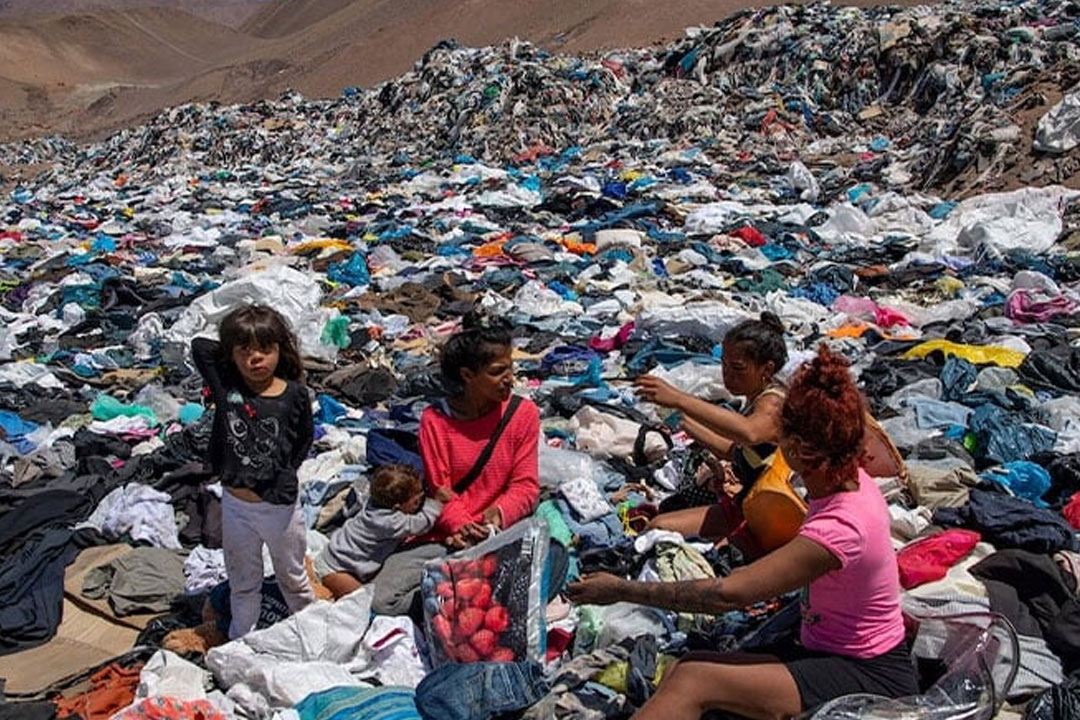
Fast fashion, with its cheaply made, trendy clothing, contributes significantly to environmental degradation, exploitation of workers, and perpetuates child labor. The fast fashion industry generates 92 million tons of textile waste annually and consumes 79 trillion liters of water, exacerbating global water scarcity and pollution.
Countries like Bangladesh, India, Vietnam, and Cambodia are heavily impacted, with workers often earning as little as $2 per day—far below a living wage—and enduring unsafe working conditions. An estimated 170 million children worldwide are involved in child labor, with many employed in textile and garment factories under grueling and hazardous conditions.
Additionally, from the sheer volume of retailer, manufacturer and personal discards evolved a second-hand clothing trade leading to the common practice of dumping tons of clothing across African countries, including Ghana, Kenya, Nigeria, Tanzania, South Africa, and Uganda.
Ultimately, shifting away from fast fashion fosters a circular economy that emphasizes repair, reuse, and recycling. This transition not only mitigates environmental harm but also ensures equitable treatment for all individuals involved in the production process, paving the way for a healthier planet and a more just global society.
Here are 10 actionable steps you can start implementing immediately:
Educate Yourself
Understand the harmful environmental and social impacts of fast fashion. Knowledge empowers better choices.
Buy Less, Choose Wisely
Opt for high-quality garments that last longer instead of cheaply made, disposable fashion.
Support Ethical Brands
Research brands committed to fair wages, safe working conditions, and sustainable materials.
Shop Second-Hand
Explore thrift stores, vintage shops, and online marketplaces to reduce demand for new production.
Repurpose and Repair
Extend the life of clothing by repairing or upcycling instead of discarding items.
Adopt Minimalism
Build a capsule wardrobe with versatile, timeless pieces to curb overconsumption.
Avoid Impulse Purchases
Make intentional buying decisions and resist marketing tactics pushing unnecessary purchases.
Learn Fabric Labels
Opt for sustainable fabrics like organic cotton, linen, hemp, or recycled materials over synthetics.
Advocate for Change
Support legislation and movements that demand accountability and transparency in the fashion industry.
Spread Awareness
Encourage others to make informed choices and highlight the benefits of sustainable practices.
The impact of embracing slow fashion is immense. Environmentally, it reduces waste, pollution, and resource depletion, helping combat climate change. Ethically, it addresses worker exploitation and eradicates child labor by pressuring brands to uphold fair practices. Ultimately, shifting away from fast fashion fosters a circular economy, ensuring a healthier planet and equitable treatment for all involved.
FOOTNOTE: While I won’t mention the biggest offenders of environmental and garment worker injustices, it’s an easy google search!